
About Renae
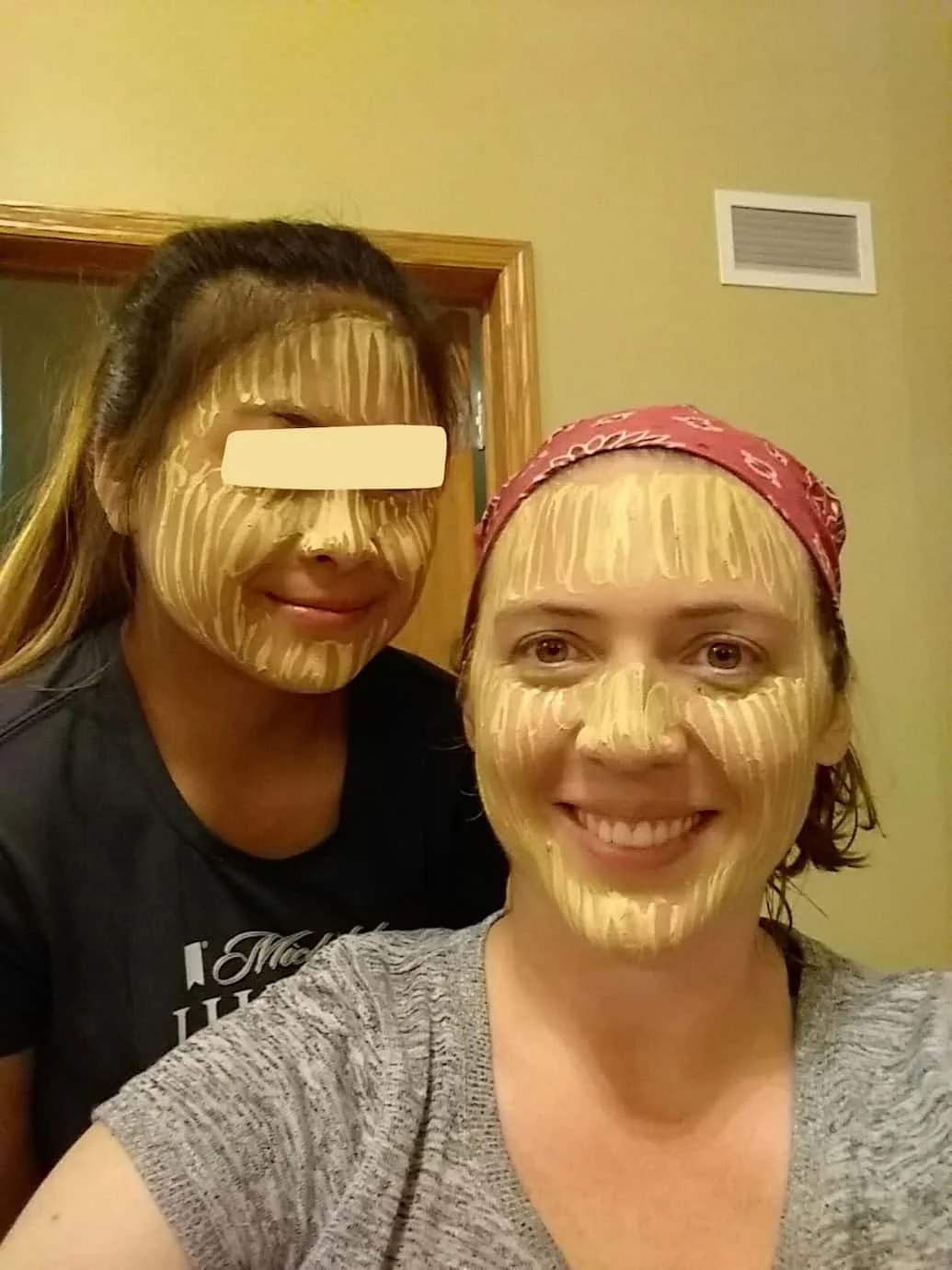
I experienced life as an immigrant when I lived in South Korea, and I remember the confusing anger I felt toward South Koreans when I experienced culture shock. I thought I was a good person and I couldn’t understand why I was so angry and frustrated. I was trying so hard to make Korean friends, but I didn’t feel comfortable talking to Koreans about certain questions about their culture that made me confused and frustrated. I had so many questions. Explain bowing. How do you know which verb tense to use with which people? How do I know if I did something offensive? Where can I go to learn more about Korean culture? I didn’t have a comfortable place to ask my questions, and I thought I should just ignore the confused feelings and keep trying.
I didn’t get any cultural orientation or training when I lived abroad. When I eventually returned home, I went through intense reverse culture shock. I questioned my values, my identity, and my cultural programming. That’s when I started studying cultural differences and cultural intelligence. From this moment, everything changed.
I realized my struggle wasn't a personal failure. It was cultural misunderstanding.
It wasn’t that I wasn’t trying hard enough. It was that no one had explained the deeper rules shaping how people connect in South Korea.
That experience is why I care so deeply about welcoming people into my own country. I know what it feels like to want to connect and not know how. I know what it’s like to feel like an outsider.
Since returning from South Korea 20 years ago, I’ve intentionally built my life around cross-cultural engagement. I have worked, volunteered, or built friendships with people from more than 30 countries. I’ve seen patterns repeat across cultures. I've seen similar misunderstandings, similar frustrations. I’ve had so many conversations with immigrants in the USA about how life is hard and how they just can’t understand. It’s not just theory to me, it’s personal and I’ve lived it.
I don’t view cultural challenges as personality flaws. I see them as predictable outcomes when people are navigating invisible cultural rules without orientation.
I hold a Master of Public Administration (MPA), which trained me to think about cultural challenges inside larger systems, including the stress of th immigration systems, universities, workplaces, and communities. Cultural struggles don’t happen in a vacuum. They happen inside institutions and social norms that were not designed to explain themselves.
I am certified by the Cultural Intelligence Center to debrief cultural intelligence assessments, and I am a doctoral student in the Communication Studies at the University of Nebraska-Lincoln.
But beyond credentials, I experienced culture shock in my nervous system. I didn’t just LEARN that culture is different, I have FELT it. I know that culture shock is not a weakness, it’s a psychological response to constant ambiguity. I learned that effort alone doesn’t create belonging.
You can’t “work harder” to escape cultural misunderstanding. You need skills.
This is not immigration advice. This is not career coaching. This is not therapy. What I provide is structured cultural orientation and skill-building, along with a customized community launch plan, tailored to your interests and values.
Fun Fact About Me
Every Sunday from 4:00–5:30pm, I volunteer as a DJ on my community radio station KZUM (89.3FM). I’ve been sharing music from around the world since 2013.
Music has been one of the ways I practice cultural learning. I listen, learn and honor the stories, language, instruments and culture behind the sounds. Often when I meet someone from another country, I can name an artist from their homeland. It’s a small thing, but it shows that I have taken the time to learn about their culture and I appreciate it.
Here are some recommendations!
Sofia Kourtesis from Peru: Madres
Abida Parveen from Pakistan: Balaghal Ula Be Kumalihi
Fally Ipupa from the DRC: Suis Moi
Anoushka Shankar from India/UK: Daybreak
Latvia group Auli and friends: Ozolini
Cross-cultural connection has never been a hobby for me. It’s how I structure my life.
If you are ready to explore building your skills and find the confidence you need as you navigate unspoken cultural expectations in your life in the USA, book a 15 minute discovery call today. We will chat about your specific situation, your city, your taboo questions about Americans and American culture, and how I can help you build the skills you need to be confident and connected in the USA..
I would be thrilled to you meet you, and I would love a music recommendation from your culture.

Listen to a curated Spotify playlist with some of Renae’s favorite tracks.
If you can’t listen live, stream Renae’s most recent KZUM show here.
(Under “show” select The Language of Music)

Our Story
In the Beyond Tourism logo, you’ll see a paper crane, a symbol of peace and hope inspired by the story of Sadako Sasaki.
Sadako Sasaki was a young girl in Hiroshima when the atomic bomb fell. Like many others, she later developed what became known as ‘A-bomb disease.’ While in hospital, a friend told her that if she folded 1,000 paper cranes, she would be granted a wish. Sadako folded more than 1,000 before she passed away.
In 2017, I had the opportunity to visit the Hiroshima Peace Memorial Museum and the Children’s Peace Monument, which was built in Sadako’s honor in the 1950s. Seeing thousands of cranes from around the world left a lasting impression on me.
At Beyond Tourism, we believe that genuine connection across cultures has the power to change the world. It isn’t always easy, it’s far more comfortable to stay within our own cultural bubbles, but real growth happens when we step beyond them. The riches of the world are its people.

